Main Theme

Sub-theme: agriculture
Abstract
Imagine capturing the earth’s energy for a clean and constant source of electricity. Not a new idea, right? But what if we use microbial fuel cells? This technology, also known by its acronym MFC (microbial fuel cell), offers a biological battery where particular microorganisms convert organic matter into electricity. Biological batteries have been in use for quite some time since the 1970s, mainly for wastewater treatment systems, but not in natural open environments.
An exciting project in biological batteries is Bioo, a young Spanish startup/research and development company. The company exploits a Plant-Microbial Fuel Cell (PMFC), producing electricity through the plants’ photosynthesis-related bacteriological synthesis of organic matter. In this process, sunlight transforms water and carbon dioxide into oxygen and organic compounds necessary for survival. The biological elements expelled during the process release electrons, which the new invention channels into the nano conductors. The energy produced here is converted into electricity.
The company is developing several projects based on this solution: plant panels that generate and supply energy from nature to illuminate parks and gardens and sensors to use in farming. In addition, the company has managed to turn plants into switches that allow devices such as lamps, audio players or screens to be operated.
Pablo Vidarte, CEO of Bioo and inventor, made the Forbes list at 20. According to the European Parliament, his company is one of the 50 most innovative companies in Europe, and in 2016 Google and the South Summit distinguished it as the most disruptive of the year. The study and development of the company’ solutions are co-funded by the European Commission under the H2020 framework.
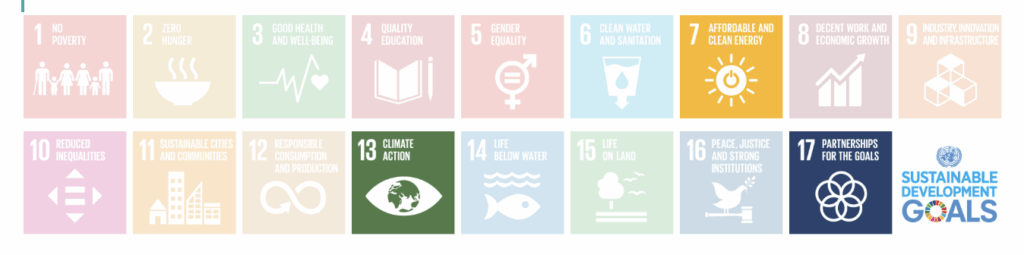
Sustainable Development Goals Chart
Main Highlights
Problem: find a clean and constant source of energy to face human needs
Context: renewable energy technologies are insufficient for human energy needs
Solution: a Plant-Microbial Fuel Cell (PMFC), producing electricity through the plants’ photosynthesis-related bacteriological synthesis of organic matter
Impact Statement: potentially and according to the company, they could power city lights and substitute the current technology in sensors for farming.
Systems Perspective: the company’s research currently looks promising, although the most significant limitation is the amount of energy Bioo’s technology can produce.
Case Overview
“Given that renewable energy RE growth is considered important for sustainability reasons, renewable energy must be assessed on its ecologically sustainable or ‘green’ energy return, which includes the energy costs of ecosystem maintenance as input energy costs. The green energy return is accordingly much lower than the conventional value, so that ecologically sustainable renewable energy is unlikely to deliver anything near existing global energy use.” (Moriarty, Patrick & Honnery, Damon. (2021). The limits of renewable energy. AIMS Energy. 9. 812-829. 10.3934/energy.2021037.)
Human activities need much energy, and despite a slowdown in 2020, the trend has returned to growth. Renewable-based energies are undoubtedly the best solution to fossil sources, yet their inconstancy does not allow 100% reliance. In addition, the construction and decommissioning and the materials of which the technologies at the base of the creation of electricity from renewable sources are composed often risk being polluting or otherwise difficult to find.
That’s why the idea of using the natural energy coming from the soil looks so exciting. Bioo is a Spanish startup working on researching and developing biological batteries. The company exploits a Plant-Microbial Fuel Cell (PMFC), producing electricity through the plants’ photosynthesis-related bacteriological synthesis of organic matter. In this process, sunlight transforms water and carbon dioxide into oxygen and organic compounds necessary for survival. The biological elements expelled during the process release electrons, which Bioo’s new invention channels into the nano conductors. The energy produced here is converted into electricity, which can be harnessed via a USB socket, where it is possible to connect cables or use otherwise.
How do biological batteries work?
When the soil where the biological battery is located is irrigated or receives rain, nutrients and microbes in the ground that feed on decaying plant matter penetrate it. There, their feeding activity creates protons and electrons. When combined with oxygen flowing through the holes in the battery, the process generates enough electricity to power lights, screens or small appliances. Unlike solar panels that require batteries to store energy for use when the sun is not shining or wind turbines that stop moving without wind, soil microbes never stop generating energy. The energy flow is constant, even in the middle of the night or on a windless day, and installed underground will visually adapt to the landscape.
With a highly disruptive technological development proposal, this company is determined to give the largest possible share to the plants. Some of the company projects are:
- Bioo One and Two consist of a USB connection to a potted plant that utilizes the plant’s processes to charge a device such as a cell phone;
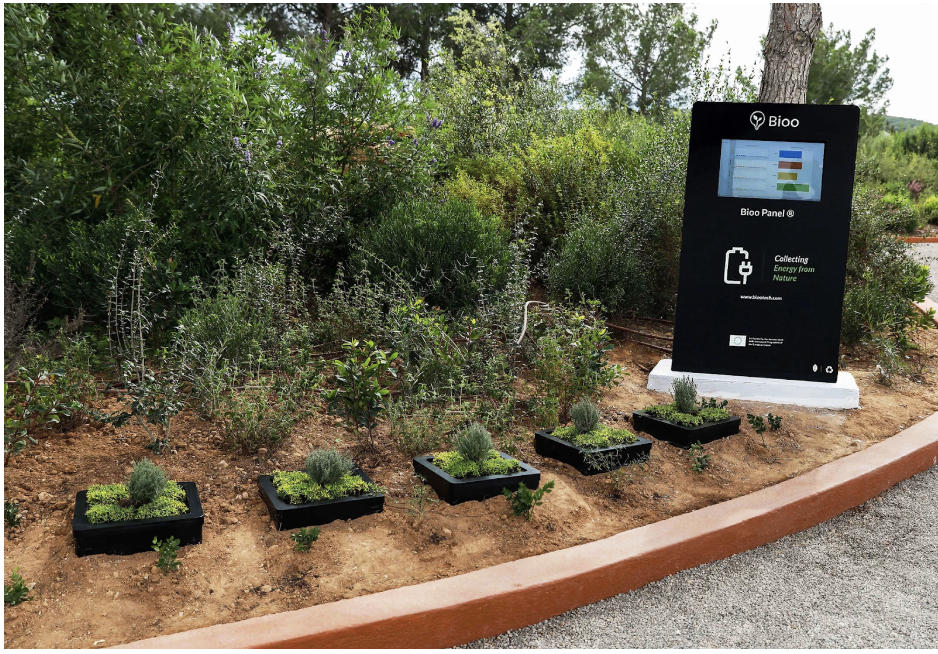
- the Bioo Panel, which is installed underground and produces energy both day and night to supply parks and gardens: with their 100% renewable energy, they do not interrupt the natural landscape, blending in perfectly;
- the Bioo Sensor, to be used in agriculture without the need for chemical batteries or solar panels since it is fed with energy from the soil itself. The device is equipped with a technology that allows reading the measurement of temperature, PH, humidity and other variables present in large plantations.
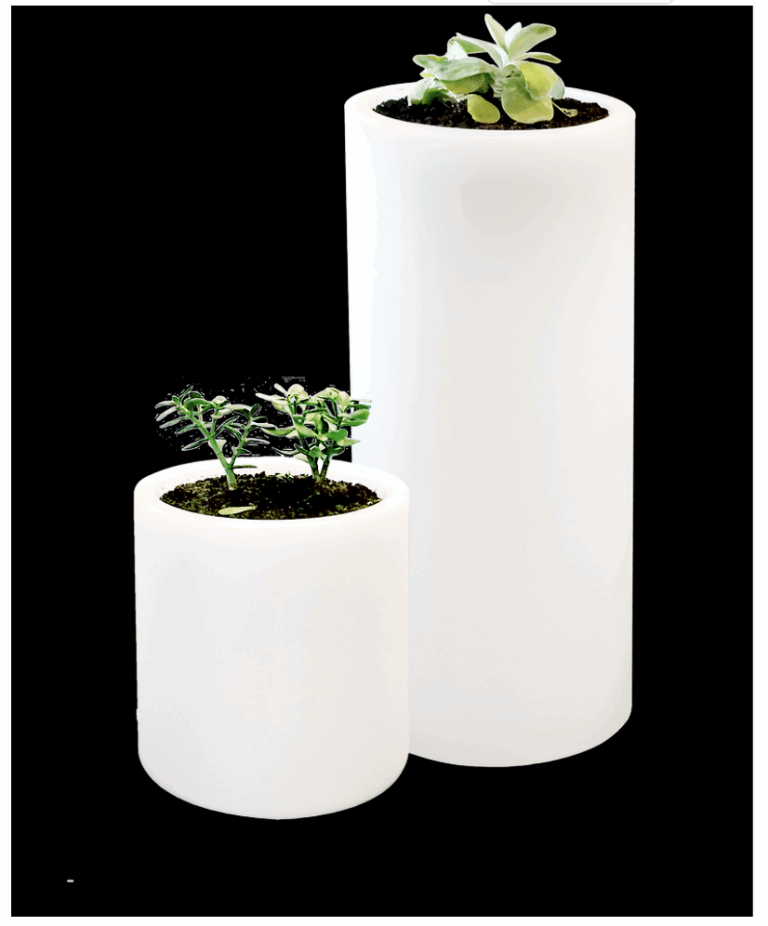
Image: This image and all the others below are taken from the company’s website: https://www.biootech.com/
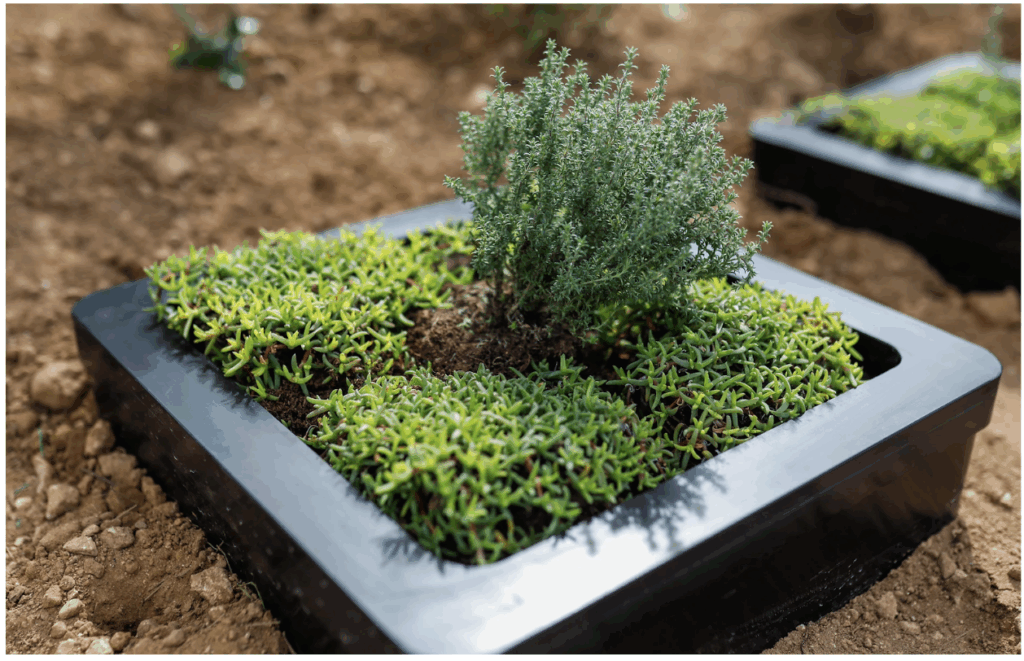
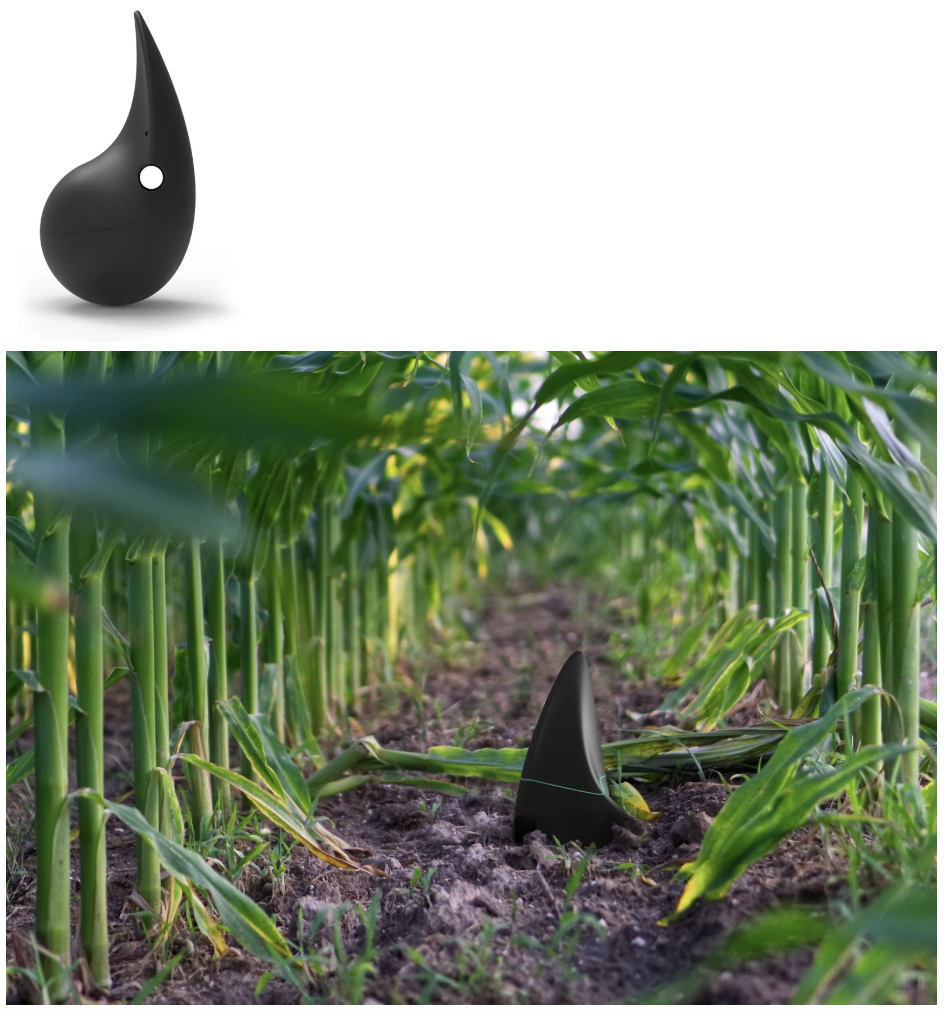
Bioo’s goal is to improve its technology until its soil-powered units can generate energy for an entire house. That might not be so difficult, not least because production does not require toxic minerals or rare earth like some photovoltaic solar panels do. The technology itself can be very economical because it only involves graphite and carbon-based substances that are easy to obtain, abundant and very cheap. The cost of Bioo sensors, for example, is exponentially lower than those currently on the market, which allows the location of a large number of them and the creation of an accurate map of the needs of each field. Another advantage of this mechanism is that it can replace chemical batteries in rural areas, which are more expensive and dangerous for the environment.
The Spanish company plans to expand this technology in people’s daily lives. In this sense, the company has announced the development of a smart house with an automated and sustainable energy system activated by plants: it would provide a better quality of life for its inhabitants, in addition to reducing costs, considering that they plan to make this solution accessible to the general public.
Also, the company has created several innovative ways to showcase its ideas. One of these is an installation in which plants are biological on/off switches. After receiving a specific radio frequency, some potted plants can produce energy and function as living electrical switches, turning on lights, screens, music, and even extending wifi for use in a home or commercial environment. For example, biological batteries power all the outdoor lighting at Bioo’s headquarters on the Spanish island of Ibiza.
Lastly, Bioo is currently using this technology to create The Gardens of Life project (image below). This initiative features plants with audio messages of support for healthcare workers, personal stories and testimonials. Simply put, they are activated by touching a leaf of a plant in the garden and listening to the voice of global memories. The Gardens of Life will be an ever-evolving international memorial located worldwide in cities, hospitals, parks, and gardens.


Impact Statement
Bioo is still in the research and development phase, testing its technology with international organizations. Therefore, the company’s stated impact, expense, and revenue forecasts will follow.
Bioo is not the first company to make batteries from organic compounds. There have also been several trials focused on producing electricity from the organic matter found in wastewaters, but the technology has not been able to scale yet. So, for Bioo’s products to gain mass adoption, it comes down to price and operational efficiency. Since they’re using graphite, the costs are lowered to less than 1 euro per sensor – compared to 4 to 10 for sensors powered by chemical batteries. Also, according to the company, their batteries can last up to 10 years.
Bioo is working with large companies like Bayer Crop Science (a chemical company) and Canoe Group (an agricultural organisation) to improve the technology, piloting their sensors on farms: combining their properties, they could test them on almost 70 million acres of land and saving around 1.5 billion euros per year. Bioo hopes that its biological batteries can help to power the 1.36 billion dollars global sensor market.
They also envision being able to power public lighting in cities through batteries embedded in the ground in parks and for farms to provide not just food but also energy. They hope to do so by increasing the energy density of their batteries exponentially in years to come. Since the start of the trial in 2016, the company says that the energy produced by their batteries has multiplied by about 1000 times.

Systems Perspective
As said, this is not the first time a company has tried to create energy from soil electrical activity. In 4Revs, we already covered a case about a Peruvian entrepreneur who developed “Alinti”: a home energy system that generates electricity out of plants and microorganisms. This product supplies enough energy to create light and charge phones. Although it doesn’t produce an energy supply to feed all kinds of electrical appliances, it has the power of changing the lives of those who didn’t have another choice but to adapt their daily routines to the availability of daylight.
Moreover, we covered the WaterLight case: Miguel Mojita, a Colombian designer, developed a device (supported by Wunderman-Thompson) that, when filled with half a litre of saltwater, the cylindric vase can generate up to 45 days of energy, transformed in light.
Not only: another case of 4Revs concerns “agromining”, i.e. the practice of extracting rare metals directly from plants that contain them, for example, nickel, thus allowing the freedom from dependence on some countries for the supply, with significant economic and geopolitical consequences.
The case of Bioo is interesting because, unlike the previous ones mentioned, it is not a project that aims to economically provide electricity to those countries and communities that, due to little or no infrastructure investment, do not have access to a sufficient amount of electricity. In this case, research originates in a privileged country, is funded by huge global groups and international institutions and has a capitalist slant. You could say that Bioo’s case demonstrates that when you show the benefits that energy alternatives can have, even for those who already have access to many resources, investment comes more easily. Suppose this is the primary solution for an energy transition to take place before it is too late. In that case, I hope that Bioo’s predictions about increasing the energy density of its devices are correct.
Links and Contact Information
Links
Company website: https://www.biootech.com/
Founder: https://www.linkedin.com/in/pablomvidarte/
Contacts: info@bioo.tech / https://www.biootech.com/contact
Social media accounts
LinkedIn: https://www.linkedin.com/company/bioo
Instagram: https://www.instagram.com/bioo.official/
Facebook: https://www.facebook.com/bioo.official/
Twitter: https://twitter.com/biooofficial
Case by: 4Revs Researcher Ilaria Nicoletta Brambilla | February 2022